Grass-fed vs grain-fed beef, compared on the numbers
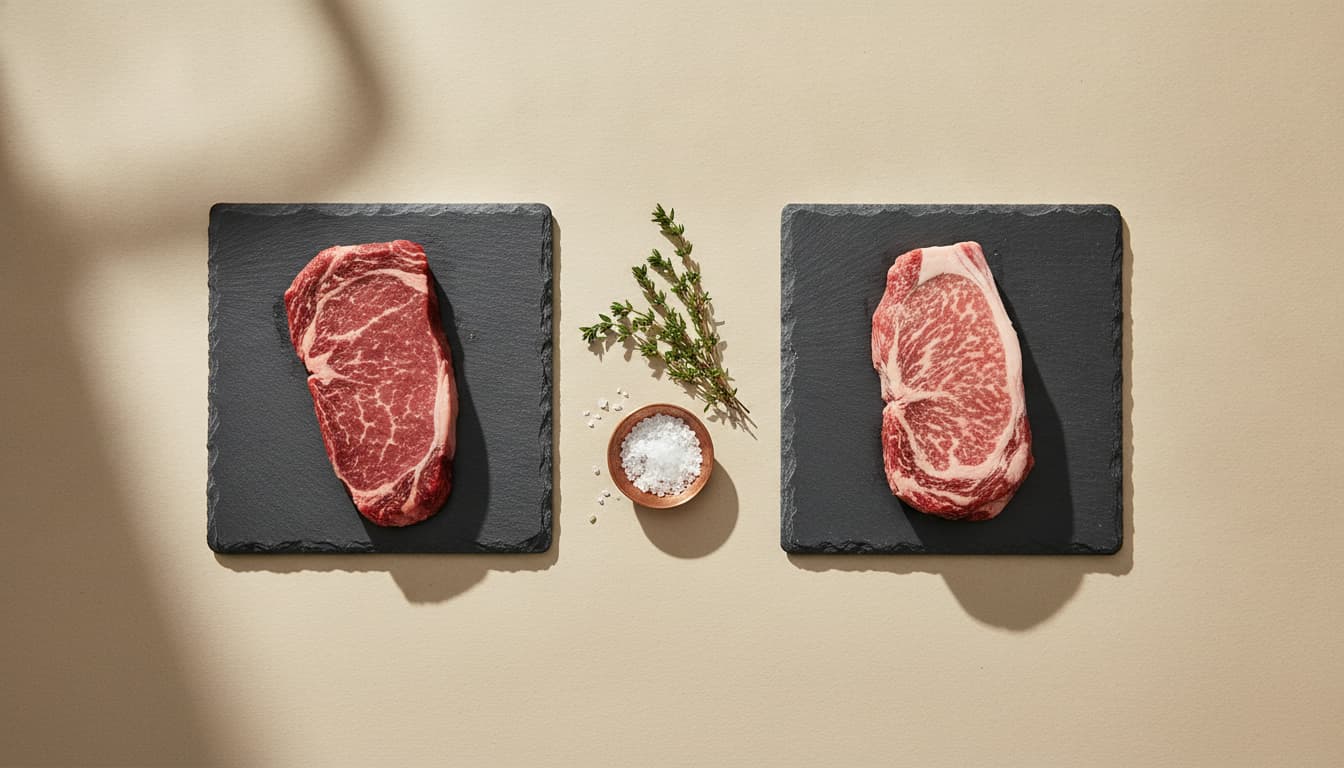
USDA lists grass-fed ground beef at 88 mg of total omega-3 per 100 g, of which 1 mg is EPA and none is DHA. The fatty acid ratio genuinely improves on grass. The absolute amounts stay too small to matter for an omega-3 target.
Grass finishing changes the fatty acid profile in a real and measurable way, and the absolute quantities involved are too small to change an omega-3 strategy. USDA lists grass-fed ground raw beef at 19.42 g of protein and 12.73 g of fat per 100 g, with omega-3 fats totalling about 88 mg: 71 mg of alpha-linolenic acid, 16 mg of DPA, 1 mg of EPA, and no detectable DHA. A review of three decades of research found that grass-based diets significantly improve fatty acid composition and antioxidant content, enhancing total CLA isomers, trans vaccenic acid, and omega-3 fats on a gram-per-gram-of-fat basis, with total saturated fat unchanged between regimens but a shift toward cholesterol-neutral stearic acid and away from myristic and palmitic acid (Daley et al. 2010). The one randomised human trial found what those numbers predict: replacing habitual red meat with three portions a week from grass-fed animals for four weeks significantly raised plasma and platelet long-chain omega-3 status, with no significant difference in serum cholesterol, triglycerides, or blood pressure between groups (McAfee et al. 2011). Buy it for the flavour, the fat colour, or the farming; the nutrition case is a ratio argument, not a milligram one.
The grass-fed premium is usually justified with a nutrient claim, and the nutrient claim is half right in a way that is worth pinning down with actual figures. Start with the absolute numbers, because they settle the most common misreading. USDA FoodData Central lists beef, grass-fed, ground, raw at 198 kcal per 100 g, 19.42 g of protein, and 12.73 g of total fat, of which 5.335 g is saturated, 4.8 g monounsaturated, and 0.532 g polyunsaturated. Inside that polyunsaturated fraction, the omega-3 fats are 0.071 g of alpha-linolenic acid, 0.016 g of DPA, 0.001 g of EPA, and no detectable DHA, for a total of roughly 88 mg per 100 g. Linoleic acid, the main omega-6, is 0.181 g. It also carries 1.99 mg of iron, 4.55 mg of zinc, 0.35 mg of alpha-tocopherol, and 62 mg of cholesterol. The figure that decides the argument is the EPA number: 1 mg per 100 g. Common EPA plus DHA targets sit in the hundreds of milligrams a day, as the omega-3 dosing analysis on this site sets out, which means grass-fed beef contributes a fraction of one percent of a day's target no matter how favourably its ratio reads. Anyone eating grass-fed beef as an omega-3 strategy is solving the problem with the wrong food; the omega-3 food ranking on this site puts the actual sources in order. What grass finishing does change is the composition of the fat that is there, and this is where the review evidence is genuinely supportive. A review of research spanning three decades concluded that grass-based diets can significantly improve the fatty acid composition and antioxidant content of beef, though with variable impacts on overall palatability. Specifically, grass-based diets enhance total conjugated linoleic acid isomers, trans vaccenic acid, which is a CLA precursor, and omega-3 fats on a gram-per-gram-of-fat basis. The overall concentration of total saturated fat is not different between feeding regimens, but grass-finished beef tends toward a higher proportion of cholesterol-neutral stearic acid and less of the cholesterol-elevating myristic and palmitic acids. Several studies suggest grass-based diets elevate precursors for vitamins A and E as well as antioxidants including glutathione and superoxide dismutase activity relative to grain-fed contemporaries, and grass-fed beef tends to have a lower overall fat content (Daley et al. 2010). Two consequences of that profile are sensory rather than nutritional and are usually left out of the marketing: the differing fatty acid content gives grass-fed beef a distinct grass flavour and unique cooking qualities, and the fat may appear yellowish from elevated carotenoid content. The most quietly damaging line in that same review is its final one. The authors note that grain-fed beef consumers may achieve similar intakes of both omega-3 fats and CLA through the consumption of higher fat grain-fed portions. In other words, the advantage is expressed per gram of fat, so it can be matched by eating more fat from the conventional product. That is the difference between a concentration claim and an intake claim, and it is the single most important thing to understand about this comparison. Then there is the only trial that tested the endpoint that matters. A randomised, double-blinded, four-week dietary intervention had 20 healthy consumers replace their habitual red meat intake with three portions per week of beef and lamb from animals finished on either grass or concentrate. Dietary intakes of total omega-3 fats, along with plasma and platelet concentrations of long-chain omega-3 fats, were significantly higher in the grass-fed group (P<0.05). No significant differences in serum cholesterol, triglycerides, or blood pressure were observed between groups (McAfee et al. 2011). That is a clean result in both directions: the change in fat composition does reach the bloodstream, and over four weeks it did not move the standard cardiovascular markers. It is also a 20-person study, so the absence of a lipid difference is unsurprising either way. Finally, the label itself deserves a sceptical read. Animal-raising claims such as grass-fed on meat labels are substantiated by documentation that the establishment submits to FSIS when applying for label approval, under a guideline the agency updated in 2024 (FSIS 2024). That is a paperwork standard, not a testing standard, and no agency measures the fatty acid profile of the beef in the package. Third-party certification is the only mechanism that adds verification, and it adds cost rather than nutrients. The defensible summary: grass-fed beef is a good product with a genuinely different fat profile, sold at a premium justified by a ratio that does not translate into meaningful milligrams, and the reasons to buy it are flavour, fat quality, and farming preference rather than omega-3 arithmetic.
The differences that are measurable.
- 01
The absolute numbers: 88 mg of total omega-3 per 100 g, 1 mg of it EPA
USDA lists beef, grass-fed, ground, raw at 198 kcal, 19.42 g of protein and 12.73 g of fat per 100 g. The omega-3 fraction is 0.071 g of alpha-linolenic acid, 0.016 g of DPA, 0.001 g of EPA, and no detectable DHA, totalling about 88 mg. Against EPA plus DHA targets measured in hundreds of milligrams a day, 1 mg of EPA per 100 g is a rounding error. This single row settles the most common claim made for the product.
- 02
What grass finishing genuinely changes: composition per gram of fat
A review of three decades of research found grass-based diets significantly improve the fatty acid composition and antioxidant content of beef, enhancing total conjugated linoleic acid isomers, trans vaccenic acid, and omega-3 fats on a gram-per-gram-of-fat basis (Daley et al. 2010). This is a real and replicated finding. It is also a concentration statement: the proportions inside the fat shift favourably, which is a different claim from the amount of any nutrient arriving on the plate.
- 03
Saturated fat: same total, different mix
The review found the overall concentration of total saturated fat is not different between feeding regimens, but grass-finished beef tends toward a higher proportion of cholesterol-neutral stearic acid (18:0) and less of the cholesterol-elevating myristic (14:0) and palmitic (16:0) acids (Daley et al. 2010). The USDA grass-fed row is consistent: of 5.335 g of saturated fat per 100 g, 1.98 g is stearic, 2.747 g palmitic, and 0.345 g myristic. Anyone expecting grass-fed beef to be a low-saturated-fat food is reading the wrong claim.
- 04
The line that undercuts the premium
The same review notes that grain-fed beef consumers may achieve similar intakes of both omega-3 fats and CLA through the consumption of higher fat grain-fed portions (Daley et al. 2010). Because the grass-fed advantage is expressed per gram of fat, a larger or fattier conventional portion can match it on intake. That is the practical test of any concentration claim: if eating slightly more of the cheaper product reproduces the number, the premium is buying something other than the nutrient.
- 05
The human trial: blood markers moved, lipids did not
A randomised, double-blinded, four-week intervention had 20 healthy consumers replace habitual red meat with three portions a week from grass- or concentrate-finished animals. Dietary intakes of total omega-3 fats and plasma and platelet long-chain omega-3 concentrations were significantly higher on grass-fed meat (P<0.05), with no significant differences in serum cholesterol, triglycerides, or blood pressure between groups (McAfee et al. 2011). The composition change reaches the bloodstream; over four weeks in 20 people it did not move cardiovascular markers.
- 06
Micronutrients and antioxidants: a real but modest edge
Several studies reviewed by Daley et al. 2010 suggest grass-based diets elevate precursors for vitamins A and E, along with antioxidants including glutathione and superoxide dismutase activity, relative to grain-fed contemporaries, and grass-fed beef tends toward a lower overall fat content. The USDA grass-fed row lists 0.35 mg of alpha-tocopherol per 100 g, which is a small contribution against a 15 mg daily target. Beef remains a strong iron and zinc source either way, at 1.99 mg and 4.55 mg per 100 g respectively.
- 07
The label is a paperwork standard, not a testing standard
Animal-raising claims such as grass-fed on meat labels rest on documentation the establishment submits to FSIS when applying for label approval, under a guideline the agency updated in 2024 (FSIS 2024). No agency measures the fatty acid profile of the beef in the package, so the claim certifies a production practice rather than a nutrient outcome. Third-party certification adds verification of the practice; it does not add nutrients, and it does add cost.
How this was specified
- 01Inputs measured
- Retail price (dated) · label claim · Certificate of Analysis · third-party test (Informed Sport / NSF / ConsumerLab / Clean Label) · leucine per serving from COA, not marketing.
- 02Protocols tested
- Per-kg target from four literature ranges (IOM RDA, Phillips 2017, Morton 2018, ISSN). Brands scored against Moore 2015 leucine-per-dose threshold (~0.4 g/kg).
- 03Cost-basis verified
- $/gram of protein and $/gram of leucine at warehouse pricing (Costco), mail-order (Amazon), and DTC retail. Re-checked quarterly, flagged when drift exceeds 15%.
- 04Confidence level
- High on ranked order. Medium on absolute $/g (prices drift). Low on serving-size claims where COA is older than 18 months, flagged [VERIFY].
What people ask us most.
- Is grass-fed beef actually healthier than grain-fed?
- It has a measurably different fat profile and a nutritionally trivial difference in absolute amounts. Grass-based diets significantly improve fatty acid composition and antioxidant content on a gram-per-gram-of-fat basis (Daley et al. 2010), but USDA lists grass-fed ground beef at only about 88 mg of total omega-3 per 100 g, of which 1 mg is EPA and none is DHA. The one randomised trial found no difference in serum cholesterol, triglycerides, or blood pressure over four weeks (McAfee et al. 2011).
- How much omega-3 is in grass-fed beef?
- USDA lists beef, grass-fed, ground, raw at 0.071 g of alpha-linolenic acid, 0.016 g of DPA, 0.001 g of EPA, and no detectable DHA per 100 g, totalling roughly 88 mg. Nearly all of it is the plant-form ALA, not the long-chain EPA and DHA that omega-3 targets are written in. Against daily EPA plus DHA targets in the hundreds of milligrams, a 200 g portion supplies about 2 mg of EPA, which is not a meaningful contribution.
- Does grass-fed beef have less saturated fat?
- The total is similar; the composition differs. The overall concentration of total saturated fat is not different between feeding regimens, though grass-finished beef tends toward more cholesterol-neutral stearic acid and less cholesterol-elevating myristic and palmitic acid (Daley et al. 2010). USDA lists 5.335 g of saturated fat per 100 g in grass-fed ground beef, of which 1.98 g is stearic and 2.747 g palmitic. Grass-fed beef does tend toward lower overall fat content.
- Why does grass-fed beef taste and look different?
- The same fatty acid differences that produce the nutrient claims also change the eating quality. The differences in fat content give grass-fed beef a distinct grass flavour and unique cooking qualities that are worth anticipating when switching, and the fat may appear yellowish from elevated carotenoid content, a precursor to vitamin A (Daley et al. 2010). Neither is a defect. Both are the visible consequence of the compositional change the premium is sold on.
- Is grass-fed beef worth the extra cost?
- Not on omega-3 arithmetic. The advantage is expressed per gram of fat, and the review itself notes that grain-fed beef consumers may achieve similar intakes of omega-3 fats and CLA by consuming higher fat grain-fed portions (Daley et al. 2010). That leaves flavour preference, fat quality, and farming practice as the defensible reasons to pay more. For an actual omega-3 intake target, the same money spent on oily fish moves the number by orders of magnitude more.
- Does the grass-fed label on a package mean anything?
- It means the establishment submitted documentation supporting the claim when applying for label approval, under an FSIS guideline on animal-raising claims updated in 2024 (FSIS 2024). It is a paperwork substantiation of a production practice, not a laboratory verification of the meat, and no agency tests the fatty acid profile in the package. Third-party certification schemes add independent auditing of the practice, which is what the extra label is actually buying.
A published Certificate of Analysis from a ranked brand that contradicts the label claim we scored against. An independent lab result (Clean Label, ConsumerLab) finding heavy-metal or amino-spiking failures on a current top pick. A peer-reviewed meta-analysis that shifts the leucine-per-dose threshold. Any of those triggers a dated revision within a week.
Every claim, cited.
- [01]USDA FoodData Central: Beef, grass-fed, ground, raw (SR Legacy 168608). Per 100 g: 198 kcal, 19.42 g protein, 12.73 g total fat, 5.335 g saturated (18:0 1.98 g, 16:0 2.747 g, 14:0 0.345 g), 4.8 g monounsaturated, 0.532 g polyunsaturated, 18:2 n-6 0.181 g, 18:3 n-3 ALA 0.071 g, 20:5 n-3 EPA 0.001 g, 22:5 n-3 DPA 0.016 g, 22:6 n-3 DHA 0 g, 62 mg cholesterol, 1.99 mg iron, 4.55 mg zinc, 0.35 mg alpha-tocopherol.
- [02]Daley CA, Abbott A, Doyle PS, Nader GA, Larson S. 2010. A review of fatty acid profiles and antioxidant content in grass-fed and grain-fed beef. Nutr J 9:10. Grass-based diets enhance total CLA isomers, trans vaccenic acid and omega-3 on a g/g fat basis; total SFA not different between regimens; shift toward stearic and away from myristic and palmitic; elevated vitamin A and E precursors, glutathione and superoxide dismutase; distinct grass flavour and yellowish fat; grain-fed consumers may match n-3 and CLA intakes via higher fat portions.
- [03]McAfee AJ, McSorley EM, Cuskelly GJ, Fearon AM, Moss BW, Beattie JA, Wallace JM, Bonham MP, Strain JJ. 2011. Red meat from animals offered a grass diet increases plasma and platelet n-3 PUFA in healthy consumers. Br J Nutr 105(1):80-9. Randomised, double-blinded, 4-week intervention, n=20, three portions per week; plasma and platelet long-chain n-3 significantly higher on grass-fed (P<0.05); no significant differences in serum cholesterol, triglycerides or blood pressure.
- [04]USDA FSIS. 2024. Availability of FSIS Guideline on Substantiating Animal-Raising or Environment-Related Labeling Claims. 89 FR, published 10 September 2024. Establishments submit documentation supporting animal-raising claims when applying for label approval.
The Larderlab Team builds evidence-led frameworks for eating, lifting, and stocking a kitchen. We cite every claim. We publish the spreadsheet when possible. We buy what we review at retail price. When new data lands, we revise with a dated note.
Next in this hub.
Foods High in Polyphenols: The Densest Sources, by Milligrams
Polyphenols are plant compounds measured in milligrams per 100 grams, and spices, cocoa, berries, coffee, and tea top the charts. The density ranking, why coffee is most people's biggest single source, and why the benefit tracks whole foods rather than extract pills.
8 min · rev 2026-08-10Foods High in Oxalates: The Densest Sources, by Milligrams
Spinach is the outlier at roughly 700 mg per cooked half cup, followed by rhubarb, Swiss chard, almonds, and beets. The mg-per-serving ranking, why boiling and a little calcium cut absorption, and who actually needs to care about oxalate.
9 min · rev 2026-08-04Wild vs Farmed Salmon: Omega-3, Contaminants, and Cost, Compared
Farmed salmon is fattier and often higher in total omega-3 per serving, while wild is leaner with a better omega ratio and fewer calories. The honest comparison on nutrition, contaminants, color, cost, and why both are a healthy choice.
8 min · rev 2026-08-12Get the Larderlab Macro Planner.
A Google Sheet that calculates your protein target, splits it across 3-5 meals, and ranks 20 protein sources by $/gram. Free. Copy-and-modify your own version.
By subscribing, you agree to our Privacy Policy. Unsubscribe anytime.